Navigating the Forex Market A Comprehensive Guide to Trading

Navigating the Forex Market: A Comprehensive Guide to Trading
The Forex market, or foreign exchange market, is the world’s largest financial market, where currencies are traded against one another. Its vast liquidity, 24-hour operating hours, and significant profit opportunities attract traders globally. For those interested in diving into this dynamic market, selecting a reliable broker is crucial. One option is to consider forex market trading MT4 Forex Brokers, known for their user-friendly interface and robust trading capabilities.
Understanding the Forex Market
The Forex market operates on a decentralized global scale, allowing traders to buy, sell, exchange, and speculate on currency pairs. The primary participants include banks, financial institutions, corporations, governments, and individual traders. Forex trading operates 24 hours a day, five days a week, creating an environment where news and economic data can affect currency values instantly.
Key Terminologies in Forex Trading
To successfully navigate Forex trading, it is vital to understand some key terminologies:
- Currency Pair: A quotation of two different currencies, where one currency is priced against the other, for example, EUR/USD.
- Pip: The smallest price move in a currency pair, typically equal to 0.0001 for most pairs.
- Leverage: A mechanism that allows traders to control larger positions with a smaller amount of capital.
- Spread: The difference between the buying (ask) and selling (bid) price of a currency pair.
- Margin: The minimum amount of capital required to open and maintain a position.
Types of Forex Trading Strategies
There are several strategies traders employ in the Forex market. Here are some popular ones:
1. Day Trading
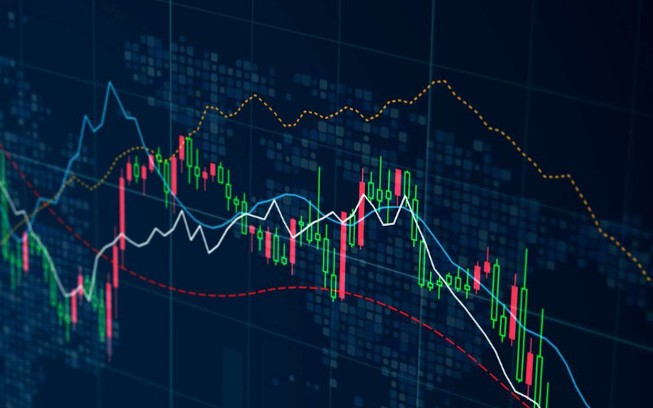
Day traders open and close positions within the same trading day, avoiding overnight risks. This strategy requires quick decision-making and deep knowledge of the market.
2. Swing Trading
Swing traders hold positions for several days to capture short-term market movements. They rely on technical analysis to make predictions about the price direction.
3. Scalping
This strategy involves making numerous trades within a short period, aiming to profit from small price movements. Scalpers require a fast and reliable trading platform to execute trades efficiently.
4. Position Trading
Position traders hold trades for longer periods, from weeks to months, based on long-term market trends and fundamental analysis. This approach requires patience and a solid understanding of market fundamentals.
Technical and Fundamental Analysis
Successful Forex trading involves analyzing the market to make informed decisions. Two primary forms of analysis exist:
1. Technical Analysis
Technical analysis focuses on price movements and historical data. Traders use various charting tools and indicators to identify patterns and signals, such as moving averages, Relative Strength Index (RSI), and support and resistance levels.
2. Fundamental Analysis
This analysis involves examining economic indicators, news releases, and geopolitical events that can affect currency values. Traders who employ fundamental analysis monitor events such as interest rate changes, employment data, and inflation reports.
Risk Management in Forex Trading
Forex trading can be risky, and proper risk management is essential for successful trading. Here are some ways to manage risk:
- Set Stop-Loss Orders: A stop-loss order automatically closes your position when the price reaches a predetermined level to limit losses.
- Use Proper Position Sizing: Determine the right size of trades based on your account size and risk tolerance.
- Diversify Your Portfolio: Avoid putting all your capital into one currency pair; consider diversifying your investments.
- Keep Emotions in Check: Maintain discipline and avoid making impulsive decisions based on fear or greed.
Choosing the Right Forex Broker
Selecting a reputable Forex broker is a crucial step in your trading journey. Here are factors to consider:
- Regulation: Ensure the broker is regulated by a recognized authority, providing a level of safety for your funds.
- Trading Platform: The broker’s trading platform should be user-friendly and equipped with the necessary tools for analysis.
- Spreads and Commissions: Compare trading costs between brokers to ensure you are getting the best deal.
- Customer Support: Good customer support can help resolve issues quickly, enhancing your trading experience.
Conclusion
The Forex market provides vast opportunities for traders, but it also presents several challenges. Understanding the market’s mechanics, employing effective trading strategies, and practicing risk management are vital for success. Remember to choose a reliable broker and continuously educate yourself on market developments. With determination and the right approach, you can navigate the Forex market and work towards achieving your trading goals.


